Student Loans
Explore everything about student loans—from where to apply and how to qualify, to smart strategies that help you avoid overwhelming debt after graduation.


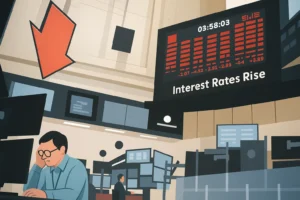
Top Economist Warns: Rising Inflation and Slowing Growth Are Investors’ Worst Nightmare

Top Economist Warns: Rising Inflation and Slowing Growth Are Investors’ Worst Nightmare

Top Economist Warns: Rising Inflation and Slowing Growth Are Investors’ Worst Nightmare

Top Economist Warns: Rising Inflation and Slowing Growth Are Investors’ Worst Nightmare

Top Economist Warns: Rising Inflation and Slowing Growth Are Investors’ Worst Nightmare

Top Economist Warns: Rising Inflation and Slowing Growth Are Investors’ Worst Nightmare

Top Economist Warns: Rising Inflation and Slowing Growth Are Investors’ Worst Nightmare

Top Economist Warns: Rising Inflation and Slowing Growth Are Investors’ Worst Nightmare

Top Economist Warns: Rising Inflation and Slowing Growth Are Investors’ Worst Nightmare
Frequently Asked Questions
The U.S. Department of Education offers four main types of federal student loans: Direct Subsidized Loans, Direct Unsubsidized Loans, Direct PLUS Loans, and Direct Consolidation Loans. Subsidized loans are designed for undergraduates with financial need, while unsubsidized loans are open to undergraduate, graduate, and professional students without a need requirement. PLUS loans are available to graduate students and parents of dependent undergraduates to cover extra education costs. Consolidation loans allow you to combine multiple federal student loans into a single payment.
That depends on your financial situation. Since some loans start accruing interest while you’re still in school, making payments earlier can reduce the total interest you’ll owe. Both federal and private student loans allow prepayments without penalty, so paying extra when you can may help you save money and get out of debt sooner.
When you miss a payment, your loan becomes delinquent until you make it up or work out a plan with your lender. If the loan stays delinquent for 90 days or more, it may be reported to the major credit bureaus, hurting your credit score. If delinquency continues long enough (time varies by loan type), the loan may enter default, which comes with more serious financial consequences.
Most retirement accounts, such as a 401(k), are generally protected from creditors under federal law. However, if you default on federal student loans, the government can garnish up to 15% of your Social Security benefits under the Debt Collection Improvement Act. That said, garnishment cannot reduce your monthly Social Security payment below $750.

Top Economist Warns: Rising Inflation and Slowing Growth Are Investors’ Worst Nightmare

Top Economist Warns: Rising Inflation and Slowing Growth Are Investors’ Worst Nightmare

Top Economist Warns: Rising Inflation and Slowing Growth Are Investors’ Worst Nightmare

Top Economist Warns: Rising Inflation and Slowing Growth Are Investors’ Worst Nightmare

Top Economist Warns: Rising Inflation and Slowing Growth Are Investors’ Worst Nightmare

Top Economist Warns: Rising Inflation and Slowing Growth Are Investors’ Worst Nightmare

Top Economist Warns: Rising Inflation and Slowing Growth Are Investors’ Worst Nightmare

Top Economist Warns: Rising Inflation and Slowing Growth Are Investors’ Worst Nightmare

Top Economist Warns: Rising Inflation and Slowing Growth Are Investors’ Worst Nightmare

Top Economist Warns: Rising Inflation and Slowing Growth Are Investors’ Worst Nightmare
Explore Student Loans

Top Economist Warns: Rising Inflation and Slowing Growth Are Investors’ Worst Nightmare

Best High-Yield Savings Accounts in September 2025: Maximize Your Cash While Rates Last

Investing: An Introduction

How To Start Investing in Stocks in 2025 and Beyond

The 10 Richest People in the World (September 2025 Update)

How Do I Keep Commissions and Fees From Eating Trading Profits?

4 Basic Things to Know About Bonds

What Are Stock Fundamentals?

Top Economist Warns: Rising Inflation and Slowing Growth Are Investors’ Worst Nightmare

Best High-Yield Savings Accounts in September 2025: Maximize Your Cash While Rates Last

Investing: An Introduction

How To Start Investing in Stocks in 2025 and Beyond

The 10 Richest People in the World (September 2025 Update)

How Do I Keep Commissions and Fees From Eating Trading Profits?

4 Basic Things to Know About Bonds